Reserve a table
Main Dining
ReservationAshitaba
Reservation
Reservation

of Casa CABaN HAYAMA
Story vol.9
8, May 2026
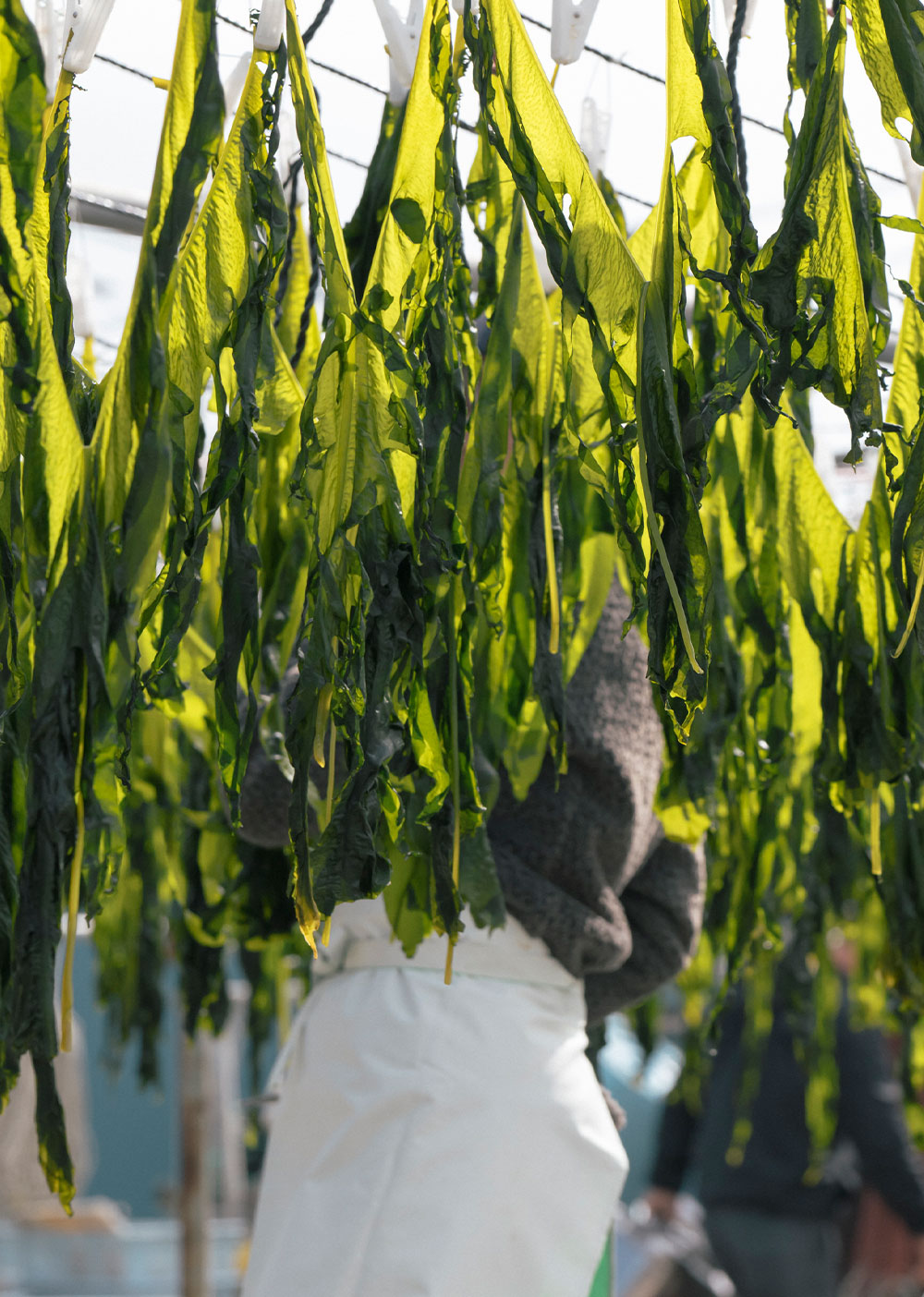
For the people of Hayama, the arrival of spring is heralded by a highly anticipated treasure from the sea: wakame seaweed. As the season begins and wakame begins to line the shelves of harbor-side seafood markets and the shopfronts of fishmongers, the atmosphere of the town seems to brighten; perhaps one of the reasons is the joy of knowing that the cold winter is drawing to a close and warmer days are ahead. While there are hardly any visible changes, the shift in the air surrounding the town is unmistakable. “The wakame harvest season, which the people of Hayama cherish so deeply, is also the time I look forward to most each year,” says Akira Hatakeyama, a fisher based at Shinnase Fishing Port, who spends her days working the waters of Hayama throughout the year.
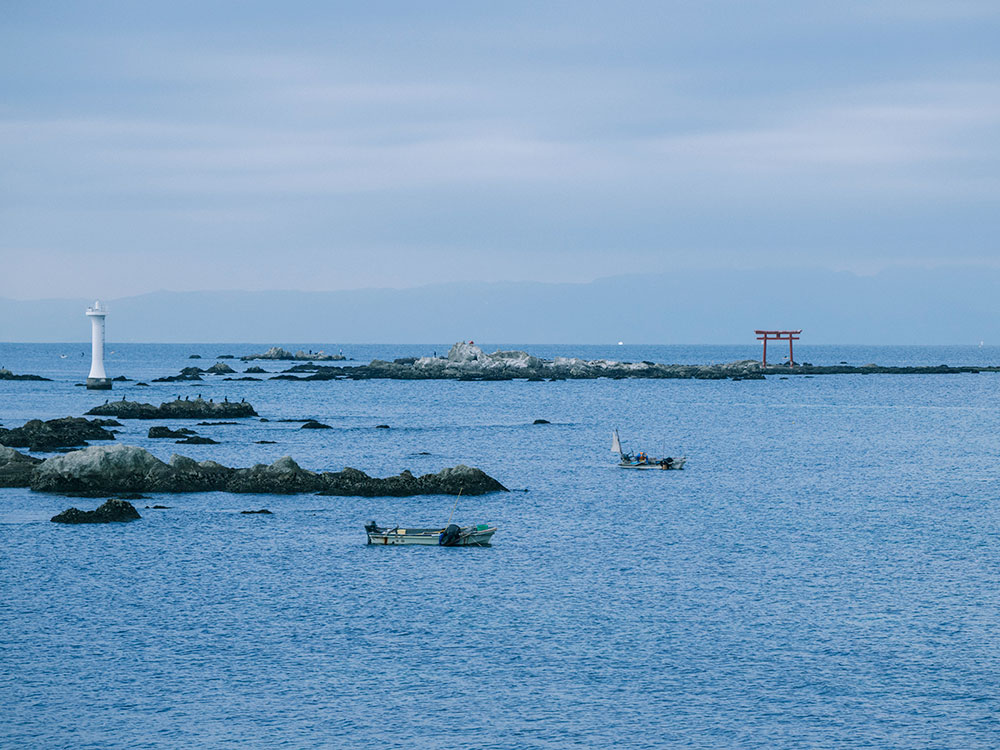
The waters of Hayama, nestled within the calm seas of Sagami Bay, feature an indented coastline rich with rocky reefs, an ideal environment for seaweed to thrive. Furthermore, mineral-rich water flowing from the nearby mountains seeps through the ground, providing nutrients to the sea and nurturing Hayama’s marine ecosystem. This unique harmony between mountain and ocean has fostered the growth of wakame, two types of which are found in Hayama: farmed and wild. Farmed wakame is cultivated by lowering ropes seeded with young plants into the sea at the onset of winter and waiting for them to grow. On the other hand, for natural wakame to grow, rocky reefs are essential for spores to attach to. It is only through a miraculous convergence of natural conditions—such as the direction of the wind and the flow of the tide at the moment the spores are released—that new life can take root in the sea.
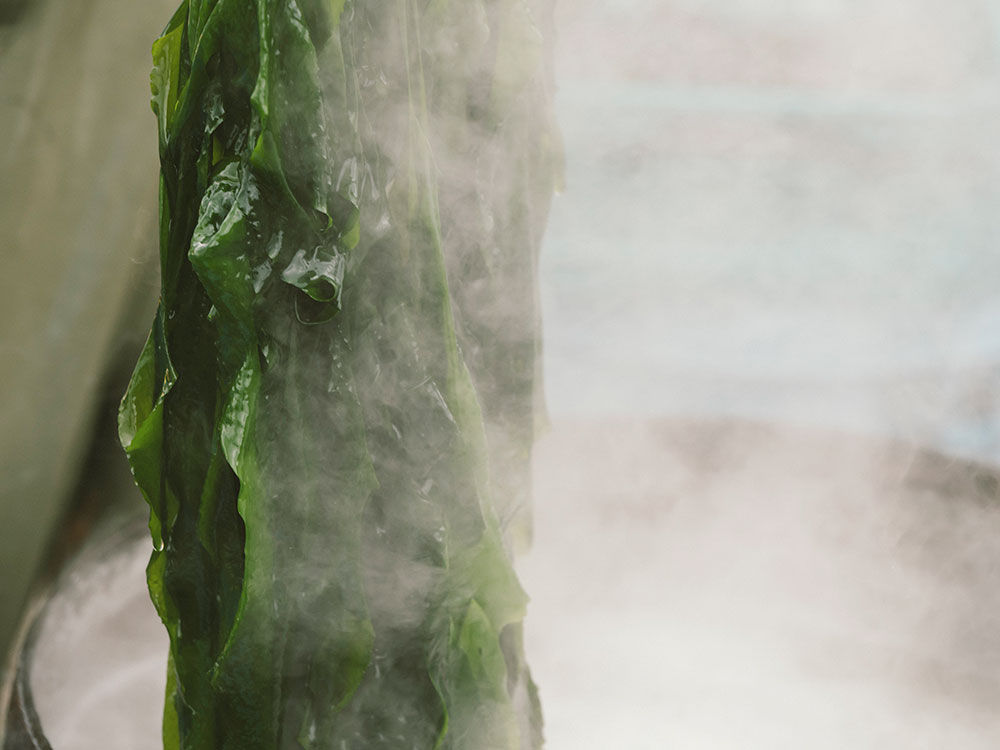
In the frigid winter waters, wakame grows at an astonishing rate. By spring, wild wakame reaches 50 to 150 centimeters, while farmed varieties can exceed 2 meters, developing a long, supple form. Wild wakame is prized for its firm texture and robust umami flavor; farmed wakame, by contrast, is notably softer and smoother, and each has its own distinct appeal. A local way to enjoy freshly harvested wakame is shabu-shabu style: briefly dipped into warm broth. The brown leaves instantly turn a vibrant green the moment they touch it. On early spring mornings, by looking out from their rooms toward the offshore reef area, guests at Casa CABaN HAYAMA may catch a glimpse of wakame fishers leaning out from small boats, harvesting wakame by cutting it with long poles fitted with sickles or hooks. Gathering strength in the cold winter waters and growing rapidly as spring approaches, wakame is a gift from the sea, a quiet reminder of the changing seasons.
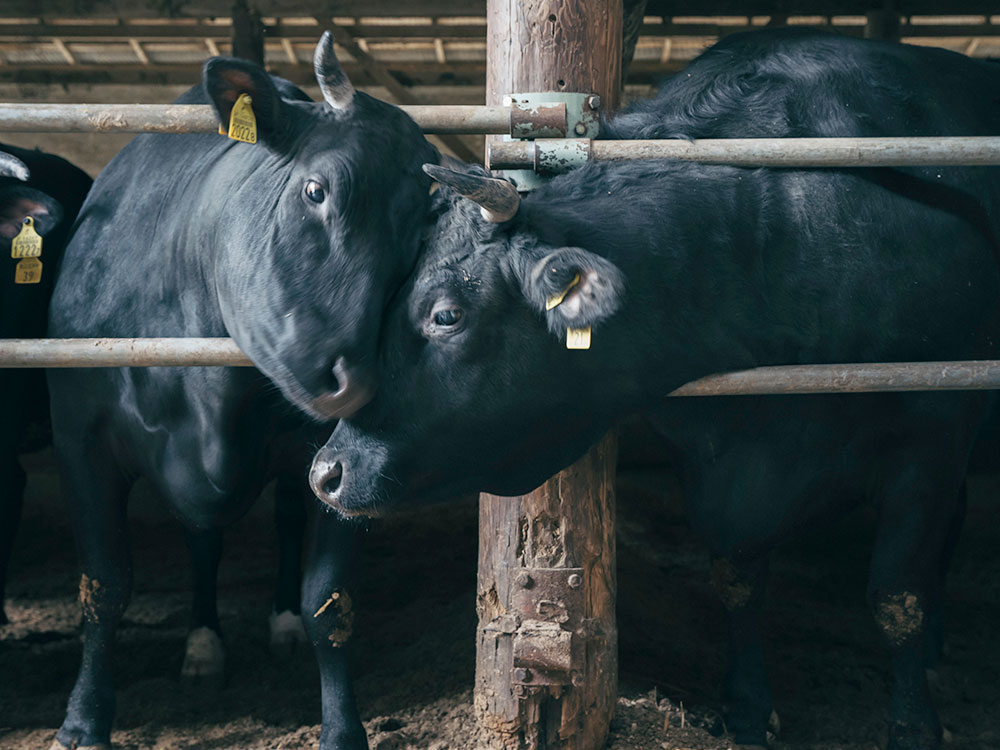
As you head inland toward the mountains from the coastline, the scenery gradually changes: the scent of the sea fades, replaced by the rich aroma of greenery. Here, Ishii Farm has grown vegetables and handled breeding and raising cattle for eleven generations. The farm’s philosophy is surprisingly simple and straightforward. “We just do what’s only natural,” says Yuichi Ishii. “That is, we avoid doing anything that causes the cattle stress. We make sure they eat well, sleep well, and live comfortably.” The cattle raised in such an environment exude a sense of calm.
The efforts required of Ishii Farm to uphold what’s only natural are all time-consuming and labor-intensive. Sixty percent of the cattle’s feed consists of food byproducts—a carefully selected blend of 16 types, including okara (soy pulp), sake lees, beer lees, adzuki bean lees, and rice. Most of these are sourced from neighboring areas within Kanagawa Prefecture. Cracked rice from milling processes delivered by rice wholesalers is specially cooked in a traditional hearth, fermented, and then fed to the cattle. The farm also emphasizes long-term fattening. While typical domestic cattle are shipped after about 28 months, Ishii Farm has established its own standard of 36 months. Although raising cattle for a longer period incurs higher costs, they have made long-term fattening possible by taking the time to collect food byproducts from the surrounding area to use as feed. They say that by raising the cattle over this extended period, the meat’s umami slowly deepens.
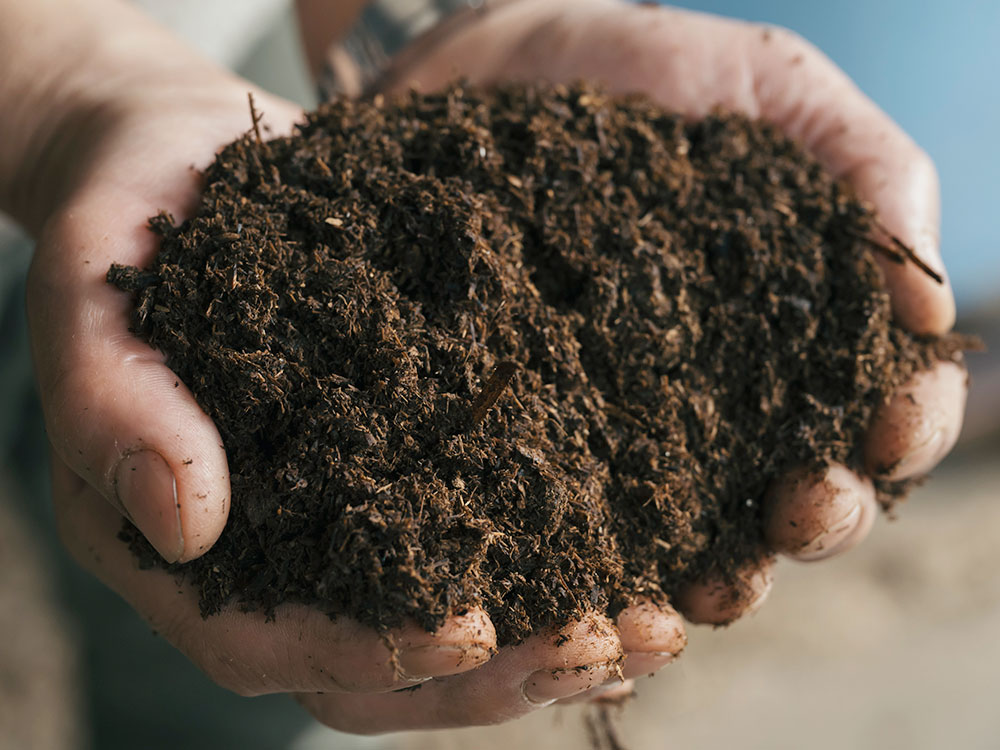
What the cattle eat is excreted as manure and urine, and, when combined with wood shavings and allowed to ferment, the mixture becomes compost and is returned to the soil. Rich in microorganisms, Ishii Farm’s compost is not only in high demand among local farmers but is also mixed with sterile wood shavings and spread across barn floors. Because the compost is made from the manure of cows with healthy digestive systems and it has high microbial content, the excrement decomposes with virtually no unpleasant odor. In 2017, Ishii Farm became the first beef cattle ranch in the prefecture to obtain HACCP (Hazard Analysis and Critical Control Points) certification, the international standard for food safety management. Furthermore, in 2023, the farm withdrew from the association established by earlier generations to pursue independent research and advance its approach to cattle raising.
The chefs at Casa CABaN HAYAMA’s Main Dining hold deep respect for this dedication. Ishii Farm’s beef is treated with care and transformed into dishes that tell the story of Hayama itself—its time, its environment, and its cycles of life and nature. To savor food grown in the very place where you stand is perhaps the most delicious and luxurious experience of all. Ishii Farm’s beef reminds us of the value of this ‘simple truth’.
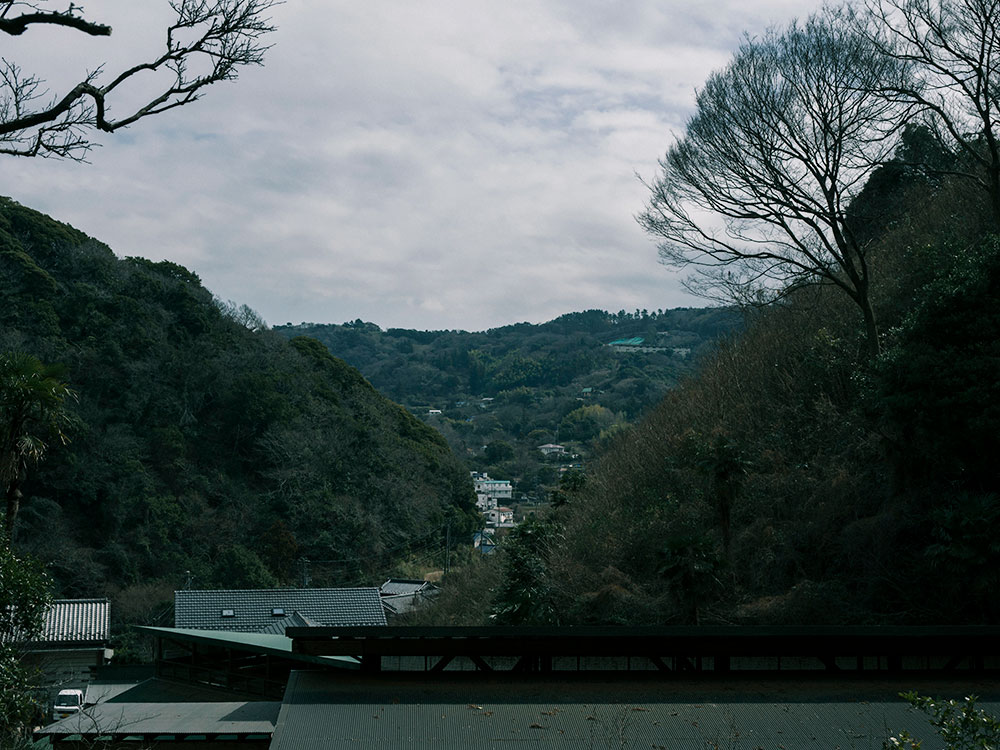
Ishii Farm, nestled in the lush green mountains of Kamiyamaguchi, Hayama.