Reserve a table
Main Dining
ReservationAshitaba
Reservation
Reservation

of Casa CABaN HAYAMA
Story vol.8
9, Feb 2026
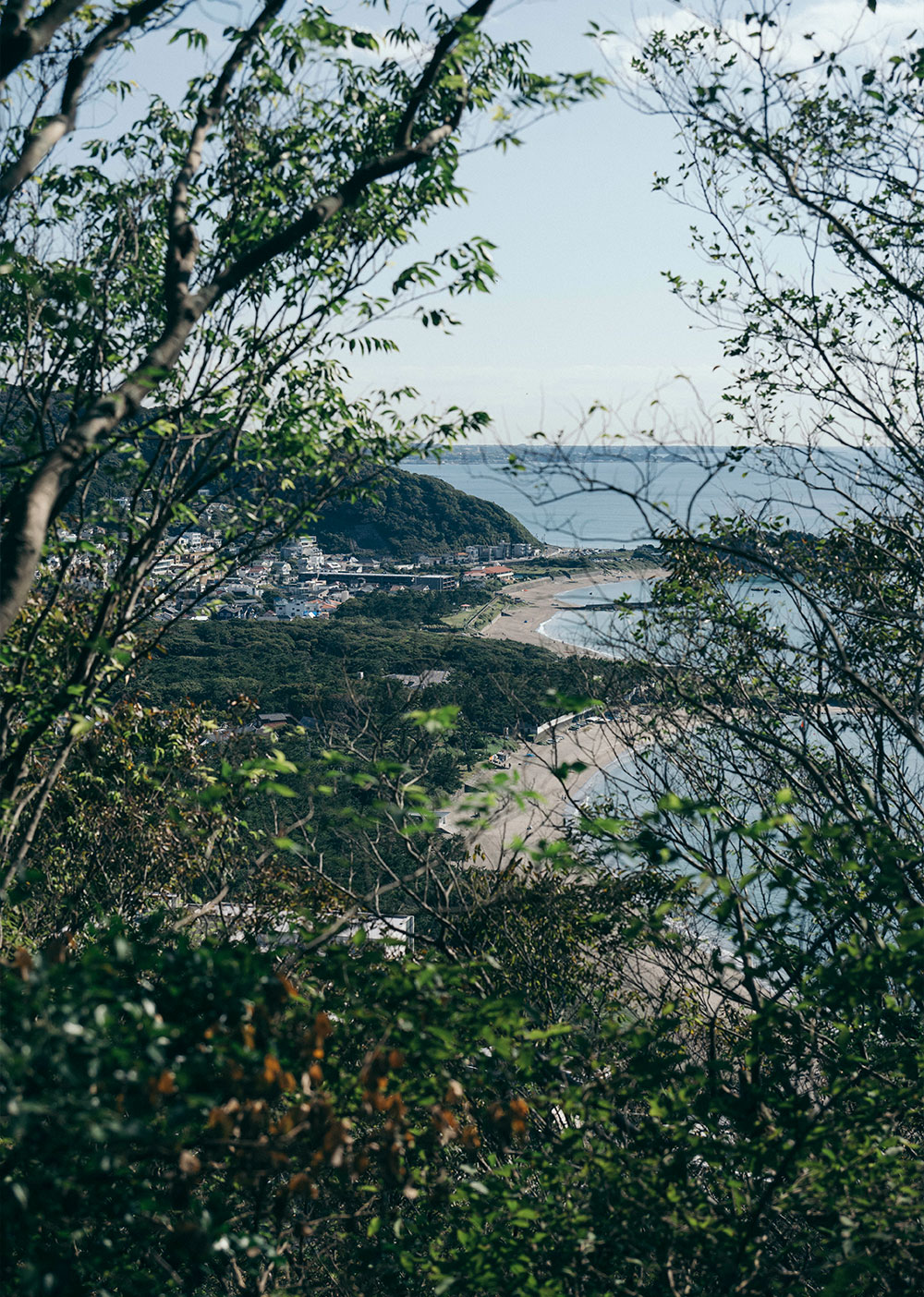
With Mt. Fuji rising in the distance, Hayama offers sweeping views of both sea and mountains. Its appeal as a place of rest and recreation dates back far beyond modern times. Minamoto no Yoritomo, founder of the shogunate in Kamakura, built a villa here, and Hayama later became a favored retreat for shoguns and dignitaries. Records of these visits can be found in historical documents from the period. As time passed, around 1887, Renati de Martino, the Italian Minister to Japan, along with other foreigners, began visiting Hayama. Captivated by its mild climate and abundant nature, they built their own villas and shared the charm of Hayama abroad. Gradually, more people seeking tranquility were drawn to this coastal town. The opening of the Yokosuka Line in 1889 marked another turning point. Members of the Imperial Family, former court nobles, old feudal lords, and leading figures of the Meiji era began constructing villas one after another. Dr. Erwin von Bälz, a German physician who served as the personal doctor to the Imperial Household, recognized Hayama’s exceptional suitability as a place of recuperation from a medical perspective. It is said that he recommended the establishment of an Imperial Villa here to Emperor Meiji. Partly on his advice, the Imperial Villa was completed in 1894. Through these developments, Hayama came to be recognized—both in name and in reality—as one of Japan's most distinguished resort communities. The scenery shaped by sea, mountains, and profound quiet continues, even today, to captivate all who visit.
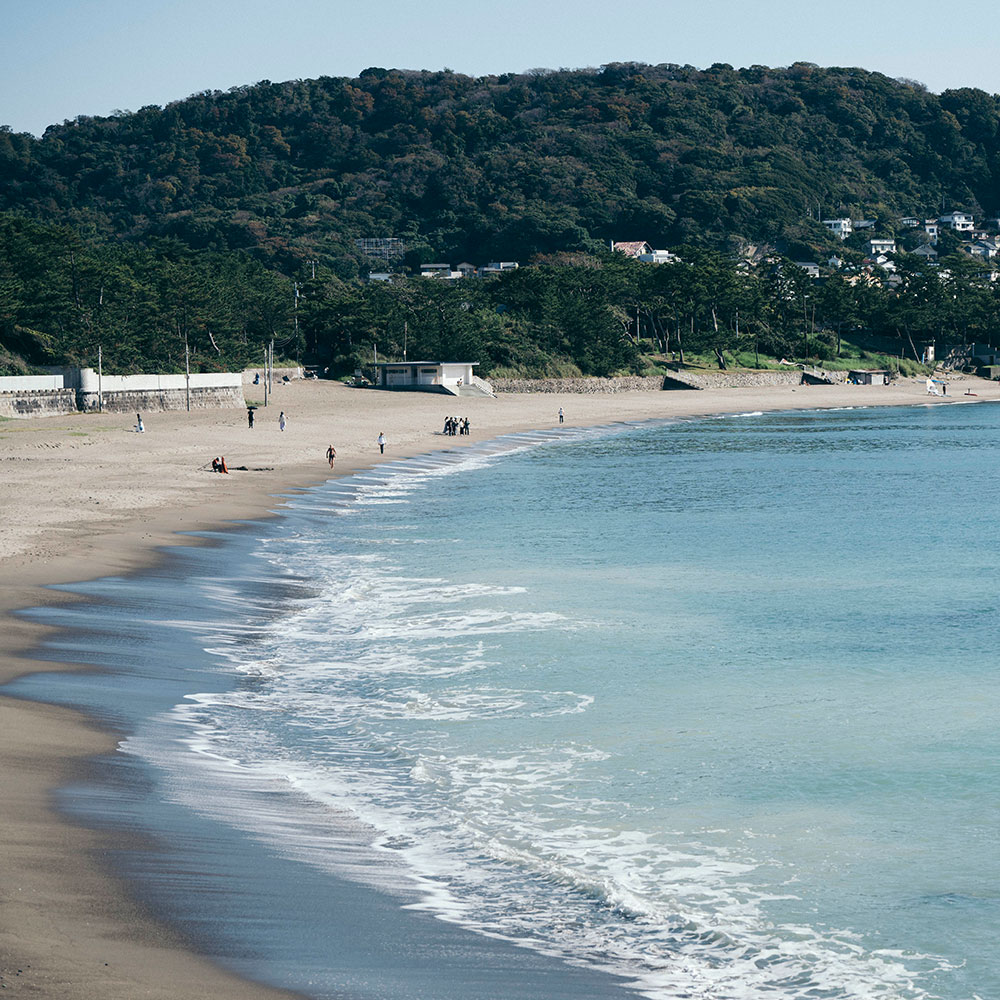
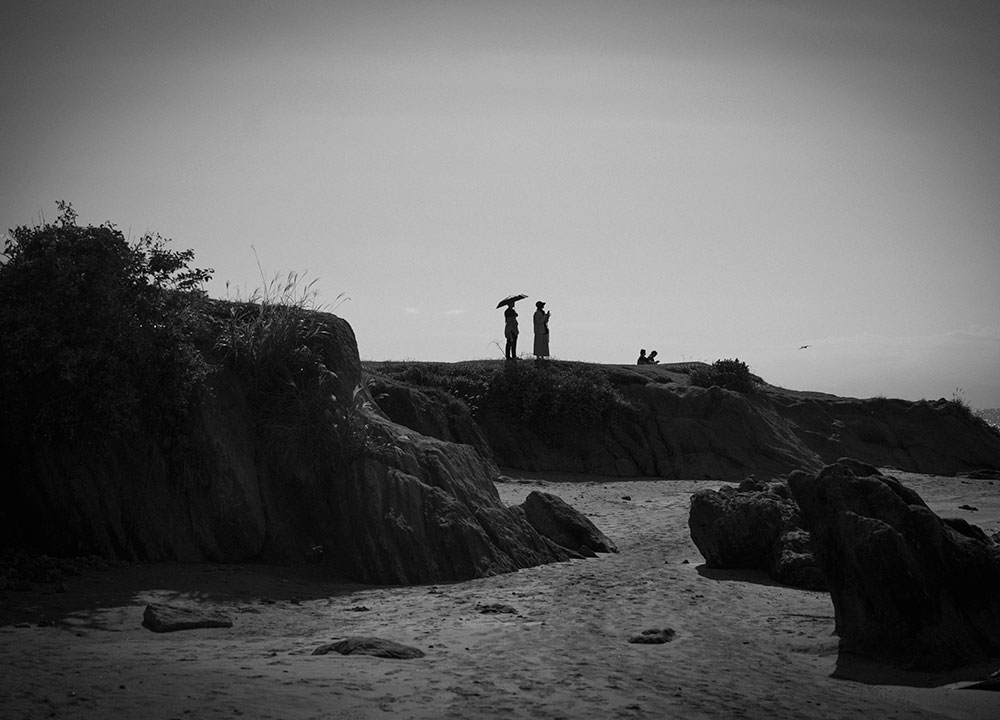
Perhaps it is the beauty of its natural topography that has drawn so many people to Hayama. The Local History of Hayama Town (1975) offers the following description: “Here in Hayama, the coast is famed for its white sands framed by stands of green pine, and for its rocky shores marked by strangely shaped crags. Before you, the calm waters of Sagami Bay spread wide, and far beyond rises majestic Mount Fuji, crowned with eternal snow, towering above the clouds. Beneath it, the long ridgeline of the Hakone mountains stretches low and distant, seeming to trail out into the sea. Closer at hand, Enoshima and Inamuragasaki appear to float like an ink-wash painting. Turn around, and the mountains and valleys gleam with dripping emerald green. Add to this a mild, temperate climate, and you have an ideal place for rest and recuperation—one that is also a destination for sightseeing.” This passage succinctly captures the essence of Hayama’s appeal. The reason Hayama has become one of Japan's leading villa destinations is the landscape, which was shaped not by human hands but by nature itself. In describing Hayama’s villa districts, two expressions are often used: “hamagiwa,” referring to land along the shoreline, and “yamasuso,” meaning the foothills of the mountains. The Morito Beach district, where Casa CABaN HAYAMA is located, represents a hamagiwa zone where many members of the nobility and figures from political and financial circles used to have their villas. Even today, the shimmering sea and the gentle salt breeze convey the distinctive energy of this land.
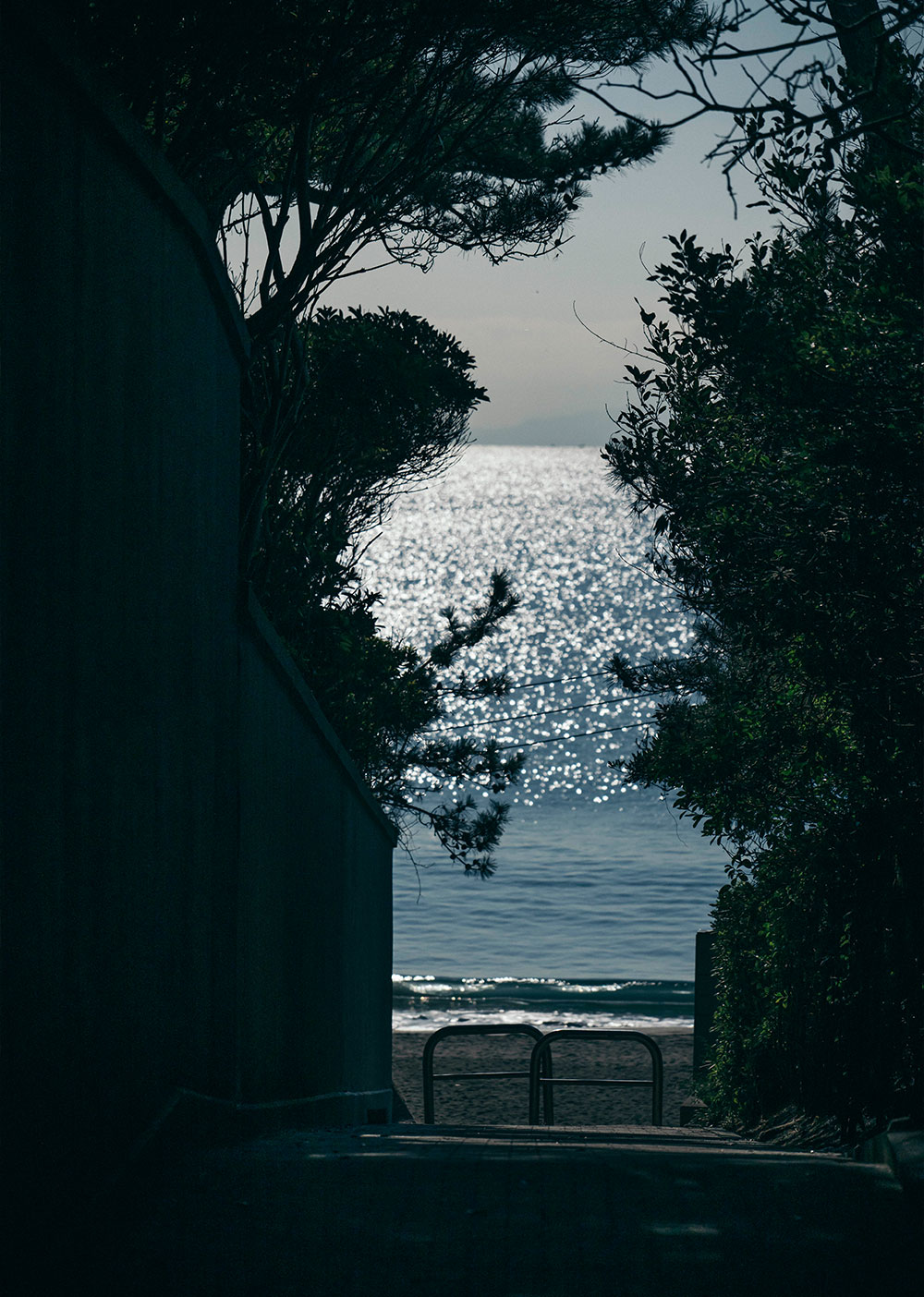
In the early Showa period, Hayama’s villa culture reached its height. However, in the years following the war, sweeping social changes—including the purge of public officials and the dissolution of the zaibatsu—led many owners to part with their seaside retreats. The Imperial Family’s villa around Isshiki Beach, adjacent to Morito Beach where Casa CABaN HAYAMA now stands, has also transformed with the times. Today, these grounds live on as public spaces such as Hayama Shiosai Park, the Hayama Wing of the Kanagawa Prefectural Museum of Modern Art, and Hayama Park—places cherished by the community. While the sprawling mansions and lush greenery that symbolized the past have faded, Hayama still preserves the calm atmosphere and unhurried sense of time that nurtured its villa culture. Traces of this tradition remain in the narrow paths that weave through the town. In the past, most villas were built tucked away amid trees rather than facing the main roads. These paths, laid out at intervals suited to rickshaws and horse-drawn carriages in the good old days, still quietly preserve the spirit of that time. As you walk through a small path that feels like a tunnel of green, the light of the sea suddenly shines through, and the horizon appears in the distance. In that fleeting moment, the memories layered into this land over generations seem to surface, transcending the flow of time.
References:
Hayama’s Old Villas (published by Yobisha)
Hayama: The Practice of High-Quality Slow-Style Branding (published by Fuyoshobo)